Conquering the Himalayas: A Beginner’s Guide to Trekking in Nepal
The Himalayas, the tallest mountains in the world, have always been a dream destination for adventure seekers and nature lovers. With its awe-inspiring landscapes and challenging terrain, it is no surprise that trekking in the Himalayas is on the bucket list of many travelers. Among the Himalayan countries, Nepal is a popular choice for trekking due to its diverse geography and rich culture. However, conquering the Himalayas can be a daunting task, especially for beginners. In this article, we will guide you through everything you need to know to make your dream of trekking in Nepal a reality.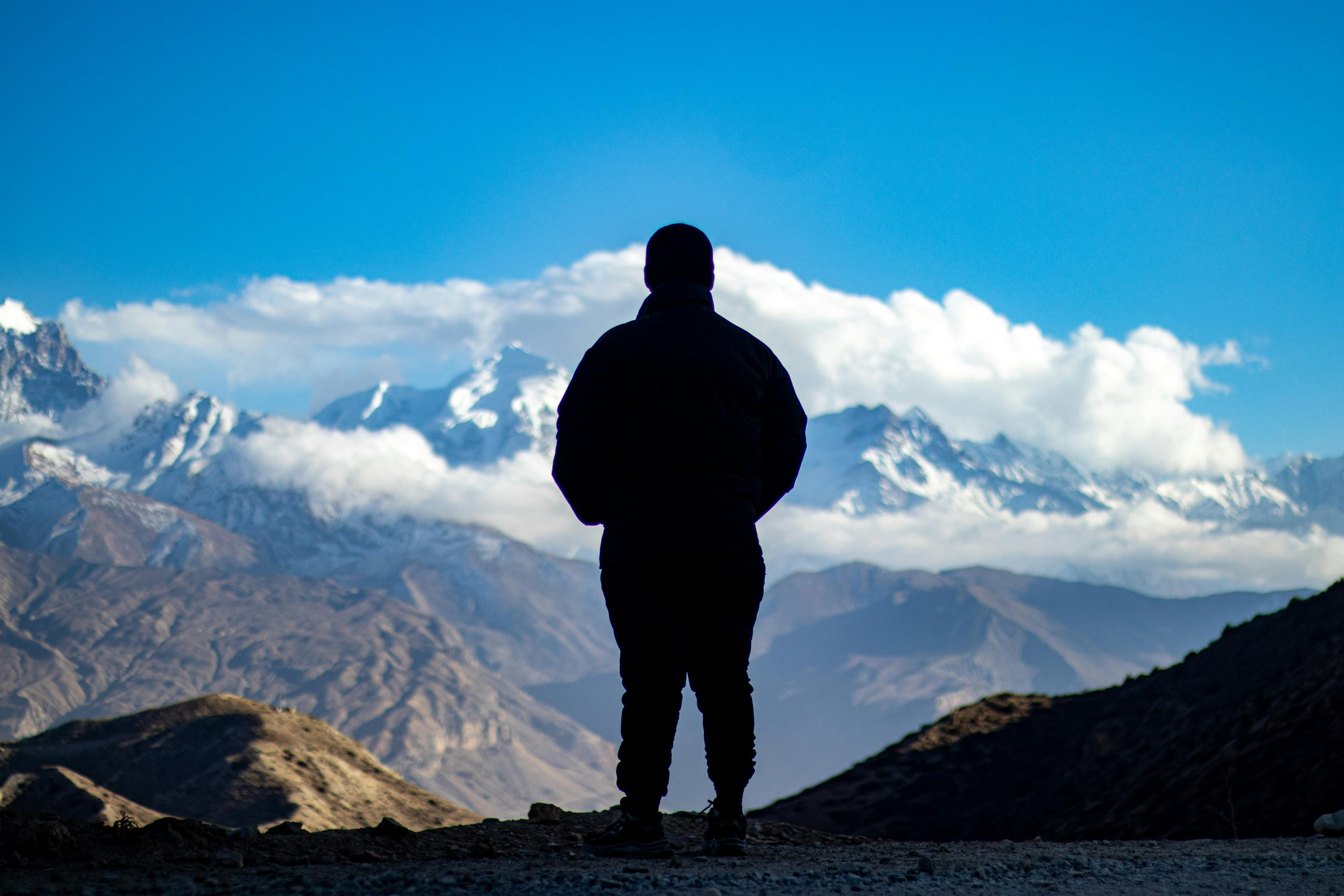
Why Trek in Nepal?
Nepal, a small landlocked country nestled between India and China, is home to eight of the ten highest peaks in the world, including Mount Everest, the tallest mountain on the planet. Needless to say, trekking in Nepal offers breathtaking views of snow-capped peaks, lush green valleys, and ancient monasteries. Apart from its natural beauty, Nepal is also known for its warm and hospitable people, making it an ideal destination for trekkers.
When to Trek in Nepal?
The trekking season in Nepal is split into two main seasons: Spring (March-May) and Autumn (September-November). These are considered the best times to trek as the weather conditions are favorable and the skies are clear, offering stunning views of the mountains. However, it is worth noting that the trekking routes can get crowded during these seasons. If you prefer a quieter trek, you can opt for the off-season treks in winter (December-February) or monsoon (June-August), although the weather can be challenging during these times.
Choosing the Right Trek
Difficulty Level
The Himalayas offer a variety of trekking routes, from easy and moderate to challenging. As a beginner, it is essential to choose a trek that suits your fitness level and experience. Some popular easy treks in Nepal are the Ghorepani Poon Hill trek and the Langtang trek, while the Annapurna Base Camp and Everest Base Camp treks fall under the moderate category. The challenging treks, such as the Upper Mustang trek and the Manaslu Circuit trek, require prior experience and fitness.
Trek Duration
Trek duration is another crucial factor to consider while choosing a trek in Nepal. Treks in Nepal can range from a few days to several weeks. It is essential to plan according to your time and budget constraints. For beginners, it is recommended to start with a shorter trek and gradually increase the duration as you gain more experience.
Physical Preparation
Trekking in the Himalayas requires a good level of physical fitness. It is essential to prepare your body for the trek by going on regular walks, jogs, and gradually increasing the intensity and duration of your workouts. It is also recommended to do some strength and endurance exercises to prepare your body for the challenging terrain.
Permits and Insurance
Before embarking on your trek, make sure to obtain the necessary permits from the Nepal Tourism Board. The permits are different for each trekking route and can be obtained either through a registered trekking agency or at the immigration office in Kathmandu. It is also essential to have travel insurance that covers medical emergencies and helicopter evacuation in case of any mishaps during the trek.
What to Pack?
Packing wisely is crucial for a successful and comfortable trek. As a beginner, it is easy to get overwhelmed and take unnecessary items. It is essential to pack light and only carry the essentials. Some essential items include sturdy and comfortable trekking shoes, warm and breathable clothes, sunscreen, first-aid kit, and a good quality backpack. It is also vital to stay hydrated during the trek, so carry a reusable water bottle and purification tablets or water filters.
Responsible Trekking
Nepal is home to diverse flora and fauna, and it is our responsibility as travelers to preserve its natural beauty. While trekking, make sure to follow the rules and regulations, such as disposing of waste in designated areas, avoiding littering, and respecting local cultures and traditions. It is also advisable to choose an eco-friendly trekking agency that follows sustainable practices.
Final Thoughts
Trekking in Nepal is a once in a lifetime experience that offers mesmerizing landscapes and cultural immersion. As a beginner, it is crucial to plan and prepare adequately to make the most of your trek. With proper planning, choosing the right trek, and following responsible trekking practices, you can conquer the Himalayas and fulfill your dream of trekking in Nepal.
Are you ready to embark on your journey to conquer the Himalayas? Keep these tips in mind, and you will undoubtedly have an unforgettable experience in this beautiful country. Remember to pack light, respect the environment and the local culture, and most importantly, enjoy the breathtaking views of the Himalayas.