
The Impact of Globalisation on Traditional Textile Crafts
The world is becoming increasingly interconnected, thanks to the advancement of technology and communication. This phenomenon, commonly known as globalisation, has had a significant impact on various aspects of our lives, including traditional textile crafts. These crafts have been passed down through generations, preserving cultural heritage and identity. However, with the rise of globalisation, traditional textile crafts face an uncertain future. In this article, we will explore the impact of globalisation on traditional textile crafts and the challenges it presents.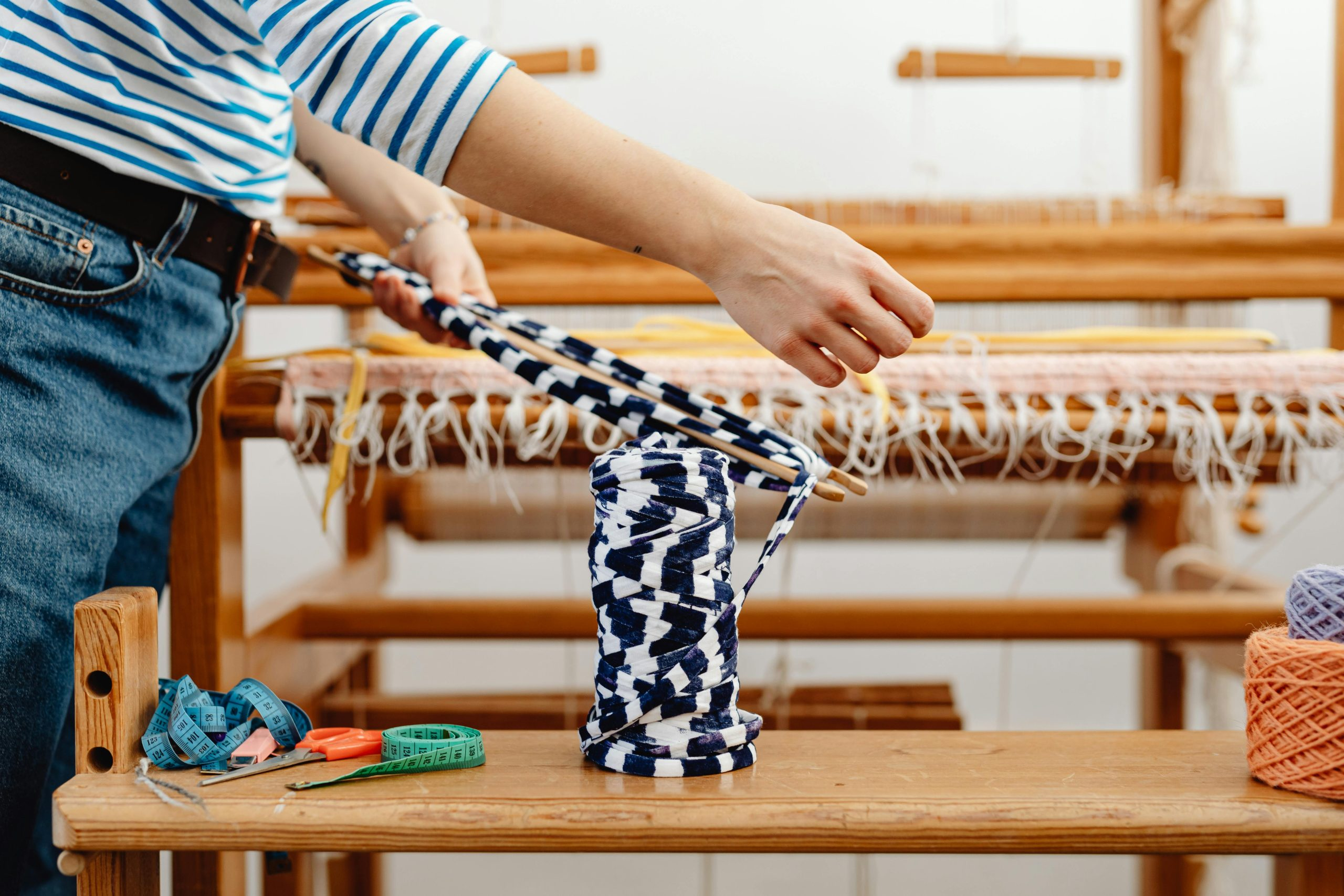
The Displacement of Traditional Textile Crafts
As globalisation spreads, there has been an increase in the consumption of mass-produced, cheap textiles, leading to a decline in demand for traditional textile crafts. The ready availability of cheaper alternatives has resulted in the displacement of traditional crafts. This has had a significant impact on the communities and individuals who rely on these crafts for their livelihoods. As a result, many traditional crafts are at risk of dying out, threatening the skills, knowledge, and cultural heritage associated with them.
The Shift to Modern Manufacturing Methods
One of the main reasons for the decline in traditional textile crafts is the shift to modern manufacturing methods. With the rise of globalisation, mass production has become more cost-effective and efficient, making it difficult for traditional crafts to compete. As a result, many craftsmen have been forced to abandon their traditional methods and adopt modern techniques to survive in the market. While this may ensure their survival, it also leads to the loss of the uniqueness and authenticity of traditional textile crafts.
The Influence of Western Fashion Trends
The prevalence of Western fashion trends has also played a significant role in the decline of traditional textile crafts. As Western fashion becomes popular worldwide, there is a growing demand for imported, machine-made clothing. This desire for Western-style clothing has led to a decrease in the demand for traditional textiles, as they are seen as outdated and unappealing. This further perpetuates the cycle of decline for traditional crafts and threatens their survival.
The Cultural Impact of Globalisation on Traditional Textile Crafts
Apart from the economic impact, globalisation has also affected the cultural significance of traditional textile crafts. These crafts are deeply rooted in the cultural identity of a community, and as they decline, so does the cultural connection to the past. With the loss of these crafts, cultural traditions and practices are also at risk of disappearing, leaving behind homogenised cultures and a loss of diversity.
The Threat to Traditional Knowledge and Skills
The decline of traditional crafts also leads to a loss of valuable knowledge and skills. Many traditional crafts are passed down through generations, and with the decline in demand, the younger generation is losing interest in these crafts, resulting in a lack of transfer of knowledge. By not passing down these skills, we risk losing centuries of traditional knowledge and the unique techniques used in traditional textile crafts.
The Rise of Cultural Appropriation
Another consequence of the decline of traditional textile crafts is the rise of cultural appropriation. With the increasing demand for ‘ethnic’ or ‘handicraft’ products, there has been a surge in the mass production of traditional designs by fast-fashion brands, without any credit or acknowledgement given to the original creators. This not only exploits the cultural significance of these crafts but also undermines the economic value for the traditional craftsmen.
The Way Forward
It is crucial to address the impact of globalisation on traditional textile crafts and find ways to preserve and promote these crafts. Governments can play a key role in supporting and protecting the craftsmen by providing incentives and creating policies that promote locally-made products. Education and awareness of the cultural and economic value of traditional crafts can also play a significant role in keeping these skills alive for future generations.
Embracing Sustainable and Ethical Practices
Ethical and sustainable consumption can also aid in preserving traditional textile crafts. As consumers, we can make a conscious effort to support traditional crafts by choosing handmade, locally-made products over mass-produced, fast-fashion alternatives. This not only supports traditional craftsmen but also promotes a more ethical and sustainable way of living.
Collaboration and Innovation
Collaboration between traditional crafts and contemporary designers can also help revitalize and promote traditional textile crafts. By combining traditional techniques and designs with modern design trends, there is a possibility to introduce these crafts to a new market, creating a demand for them. This can lead to an increased economic value for traditional crafts and the preservation of cultural heritage.
The Final Word
Globalisation has undoubtedly posed challenges for traditional textile crafts, threatening their survival and cultural significance. However, with conscious efforts from individuals, communities, and governments, these crafts can be preserved and even thrive in the fast-paced, globalised world. Let us not forget the value and beauty of traditional crafts and acknowledge the rich cultural heritage they hold. After all, they are more than just pieces of fabric; they are a symbol of our past, our traditions, and our identity.