
The Science Behind Touchscreen Technology and Operation
Touchscreen technology has revolutionized the way we interact with our electronic devices. From smartphones to tablets to computers, touchscreens have become an integral part of our daily lives. But have you ever wondered about the science behind this technology and how it actually works? In this article, we will explore the science behind touchscreen technology and delve into its operation to understand what makes it such a game changer in the world of electronics.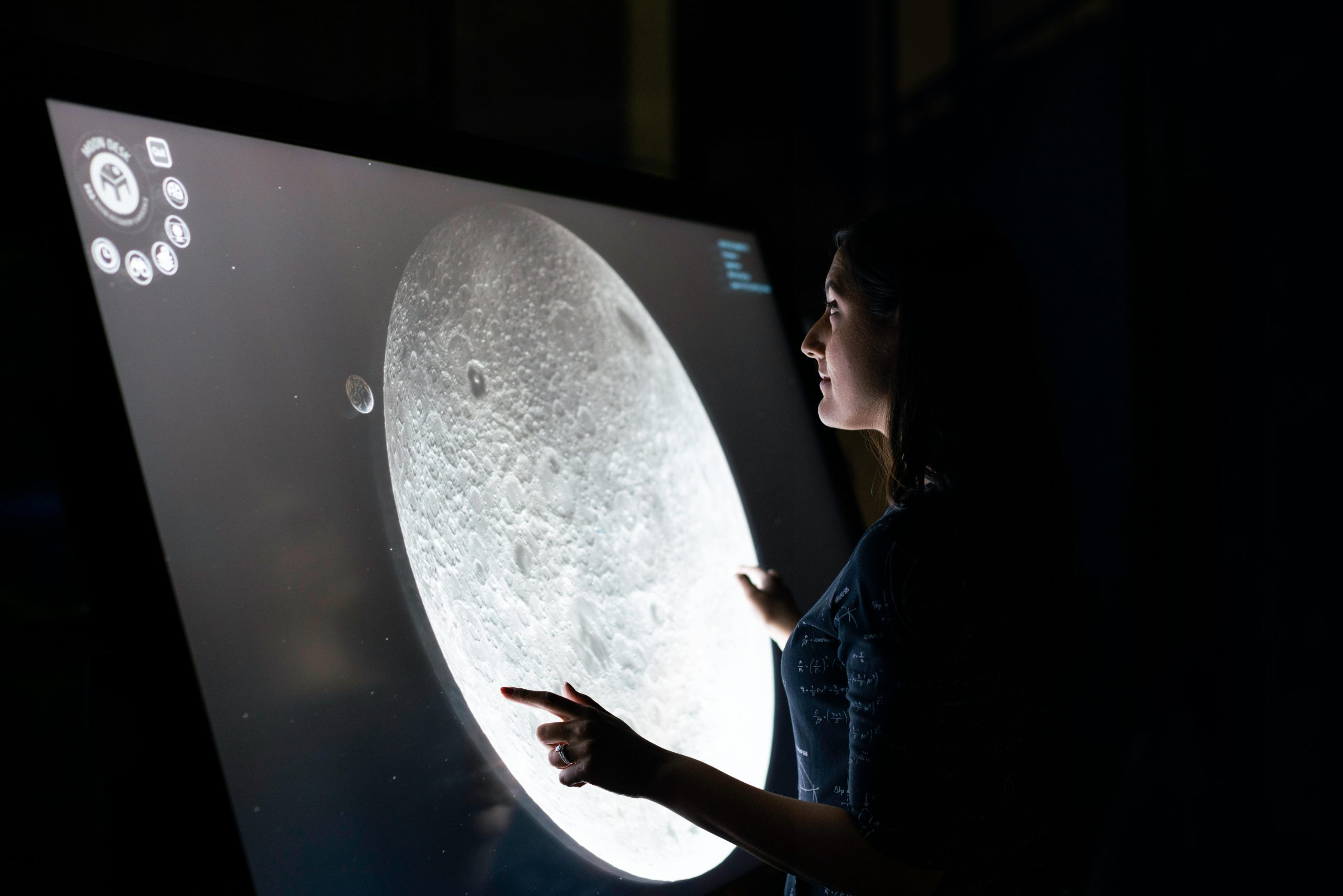
The Basics of Touchscreen Technology
Before we dive into the science behind touchscreen technology, let’s first understand what it actually is. Touchscreen technology involves the use of touch-sensitive display screens that allow users to interact with electronic devices by simply touching the screen with their fingers or a stylus. In simpler terms, it is a user interface that enables direct interaction through touch rather than using a traditional keyboard or mouse.
Types of Touchscreen Technology
There are primarily two types of touchscreen technology – resistive and capacitive. Resistive touchscreens use two thin layers of electrically conductive material separated by a small air gap. When pressure is applied to the top layer, it makes contact with the bottom layer, thus completing the circuit and registering the touch. Capacitive touchscreens, on the other hand, use the principle of capacitance to register touch. They have a layer of conductive material that stores an electric charge. When a finger touches the screen, it disrupts the electrostatic field, allowing the device to detect the touch.
The Science Behind Touchscreen Operation
Now that we understand the basics of touchscreen technology, let’s take a deeper look into how it actually works. The touchscreen has three main components – a touch sensor, a controller, and software. The touch sensor is essentially a glass panel with a thin layer of transparent conductive material. The controller is responsible for processing the information from the touch sensor and telling the software what to do. The software then determines the exact location of the touch and performs the specific action accordingly.
How the Touch Sensor Detects Touch
The transparent conductive material used for the touch sensor is typically either indium tin oxide (ITO) or a transparent conductor film (TCF) made of silver nanowires. When a user touches the screen, it creates a distortion in the electrostatic field, which is detected by the sensor. The controller then calculates the coordinates of the touch and sends the information to the software.
Multi-Touch Technology
With the advancement of touchscreen technology, we now have devices that can register multiple touch inputs simultaneously. This is known as multi-touch technology and it works on the principles of capacitive touchscreens. Multiple touch sensors are placed on the screen, allowing them to detect multiple touches and send the information to the controller. The software then interprets the inputs to perform various actions, such as zooming, scrolling, and rotating.
The Advantages of Touchscreen Technology
There are several advantages of using touchscreen technology, which is why it has become such a popular form of user interface. Firstly, it offers a more intuitive and natural way of interacting with devices. Instead of using a keyboard or mouse, which can be challenging for some users, touchscreens allow for a more direct and effortless method of input. Additionally, touchscreens are also more versatile, as they can be used for a variety of purposes, from gaming to education to business.
The Future of Touchscreen Technology
The touchscreen technology we know today is constantly evolving and improving, with new innovations being introduced every year. From flexible and foldable touchscreens to haptic feedback technology, the possibilities are endless. Some even believe that in the future, we may be able to interact with holographic touchscreens, making the user experience even more immersive and futuristic.
In Conclusion
The science behind touchscreen technology is truly fascinating, and it is what makes this technology such a game changer in the world of electronics. With its intuitive user interface, versatility, and constant advancements, it is safe to say that touchscreens are here to stay and will continue to play a crucial role in our daily lives. So the next time you tap, swipe, or pinch on your touchscreen device, remember the science behind it and appreciate this wonderful technology that has revolutionized the way we interact with our devices.