
Creating Inclusive Classrooms Where Every Child Thrives
In today’s diverse world, it’s essential for educational institutions to create inclusive classrooms where every child can thrive. Inclusivity in education means that all students, regardless of their backgrounds, strengths, or challenges, have equal opportunities to learn, grow, and succeed. It’s not only a matter of fairness and justice, but it also promotes a positive learning environment and a sense of belonging for all students. In this article, we’ll explore the importance of inclusive classrooms and how to create an inclusive learning environment that benefits every child.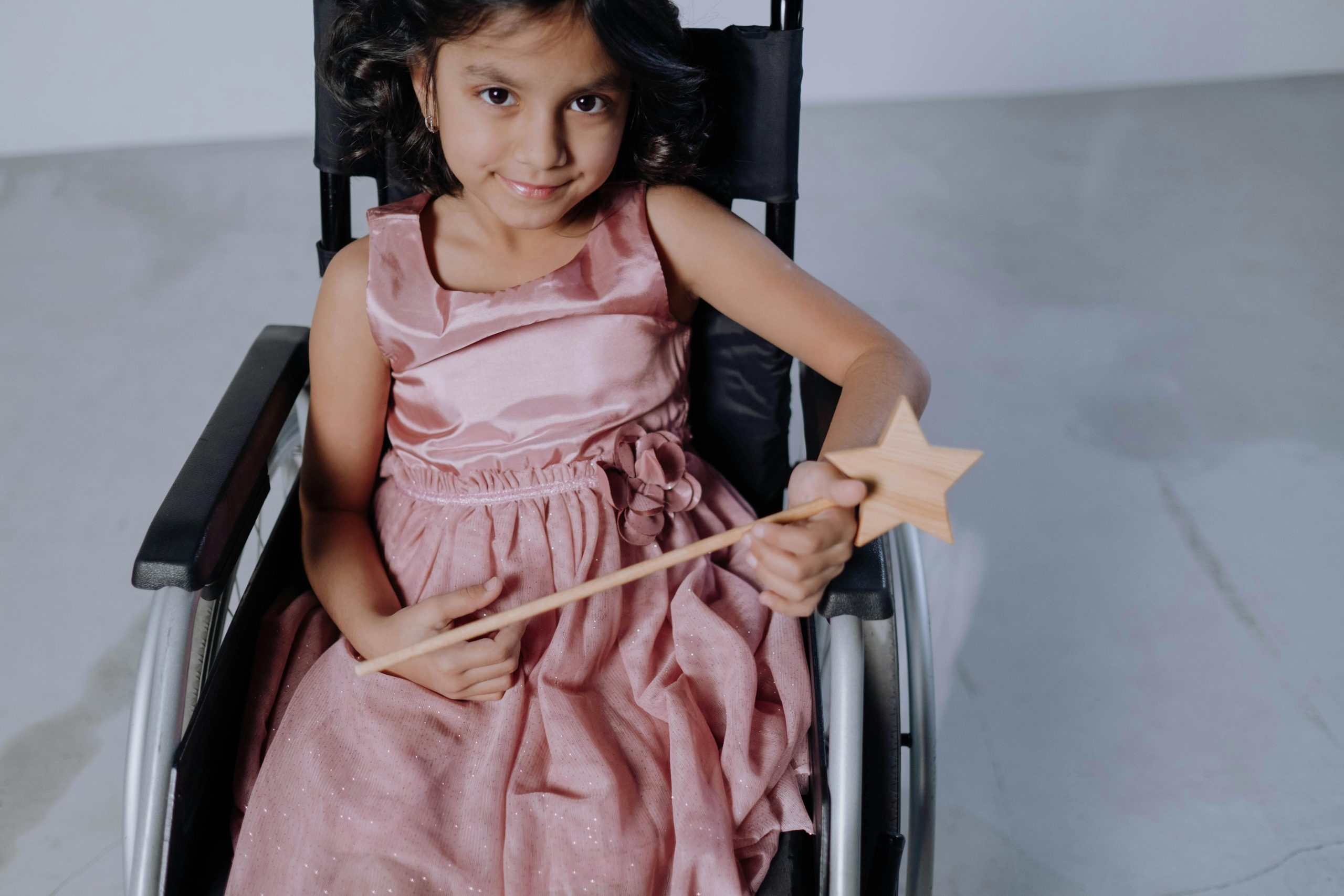
The Importance of Inclusivity in Education
Inclusive classrooms are a reflection of our increasingly diverse society. In today’s classrooms, we see students from different ethnicities, cultures, religions, and socio-economic backgrounds, as well as students with different abilities, learning styles, and needs. Inclusion means that every student feels respected, accepted, valued, and supported for who they are.
When students feel included in the classroom, they are more likely to feel motivated and engaged in their learning. It also leads to positive relationships between students and teachers, as well as between students from different backgrounds. Inclusivity also promotes a sense of empathy and understanding towards others, which is essential for creating a harmonious and cohesive society.
Creating an Inclusive Classroom
1. Understand and Celebrate Differences
The first step in creating an inclusive classroom is to understand and celebrate the differences among students. This means acknowledging that each student is unique in their own way and has different backgrounds, experiences, and abilities. Teachers can start by learning about their students’ cultures, backgrounds, and learning styles. This knowledge can guide them to create a curriculum and learning environment that is inclusive and caters to all students’ needs.
Celebrating differences can also be done through classroom activities and assignments. Teachers can encourage students to share and learn from one another’s experiences, and celebrate diversity through art, music, literature, and other forms of expression.
2. Create a Safe and Supportive Environment
Inclusive classrooms must be safe spaces where students feel comfortable being themselves and expressing their thoughts and feelings. Teachers should foster a supportive and inclusive classroom culture by promoting kindness, respect, and empathy among students. They must also intervene whenever they witness bullying, discrimination, or any other form of exclusion.
Additionally, teachers can promote inclusivity by adapting teaching methods and materials to cater to diverse learning styles and abilities. For instance, using visual aids, group work, and hands-on activities can benefit students who may struggle with traditional teaching methods.
3. Encourage Collaboration and Positive Interactions
Collaboration and positive interactions among students from different backgrounds are essential for creating an inclusive classroom. Teachers can encourage collaboration by assigning group projects and activities where students must work together and learn from one another’s strengths and perspectives.
They can also encourage positive interactions through class discussions, role-playing, and other activities that promote communication and teamwork. By fostering positive relationships among students, teachers can promote a sense of connectedness and inclusion within the classroom.
Incorporating Inclusivity in Curriculum
Aside from creating a supportive and inclusive classroom environment, it’s also crucial to incorporate inclusivity into the curriculum. Teachers can do this by diversifying the materials and resources they use in their lessons. They can also include topics and discussions that address diversity, social justice, and other relevant issues within the curriculum.
Moreover, teachers should be mindful and avoid cultural biases and stereotypes in their teaching. They must also be open to feedback from students and willing to adapt their teaching to better cater to the needs of a diverse classroom.
Conclusion
Creating inclusive classrooms where every child can thrive is essential for promoting equality, respect, and understanding within our society. As educators, it’s our responsibility to create a safe, supportive, and inclusive learning environment that celebrates diversity and promotes positive interactions among students. By understanding and addressing the unique needs of every student, we can create a classroom that is truly inclusive and offers equal opportunities for all students to thrive and succeed.