The Role of Shock Absorbers and Springs in Vehicle Ride Quality
The ride quality of a vehicle is an important factor in ensuring a comfortable and safe driving experience. One crucial aspect that directly affects ride quality is the suspension system of a vehicle. The suspension system is responsible for providing a smooth and stable ride by absorbing shock and maintaining the contact between the tires and the road. Two components that play a significant role in the suspension system are shock absorbers and springs. In this article, we will explore the role of these two components in ensuring a smooth and comfortable ride for a vehicle.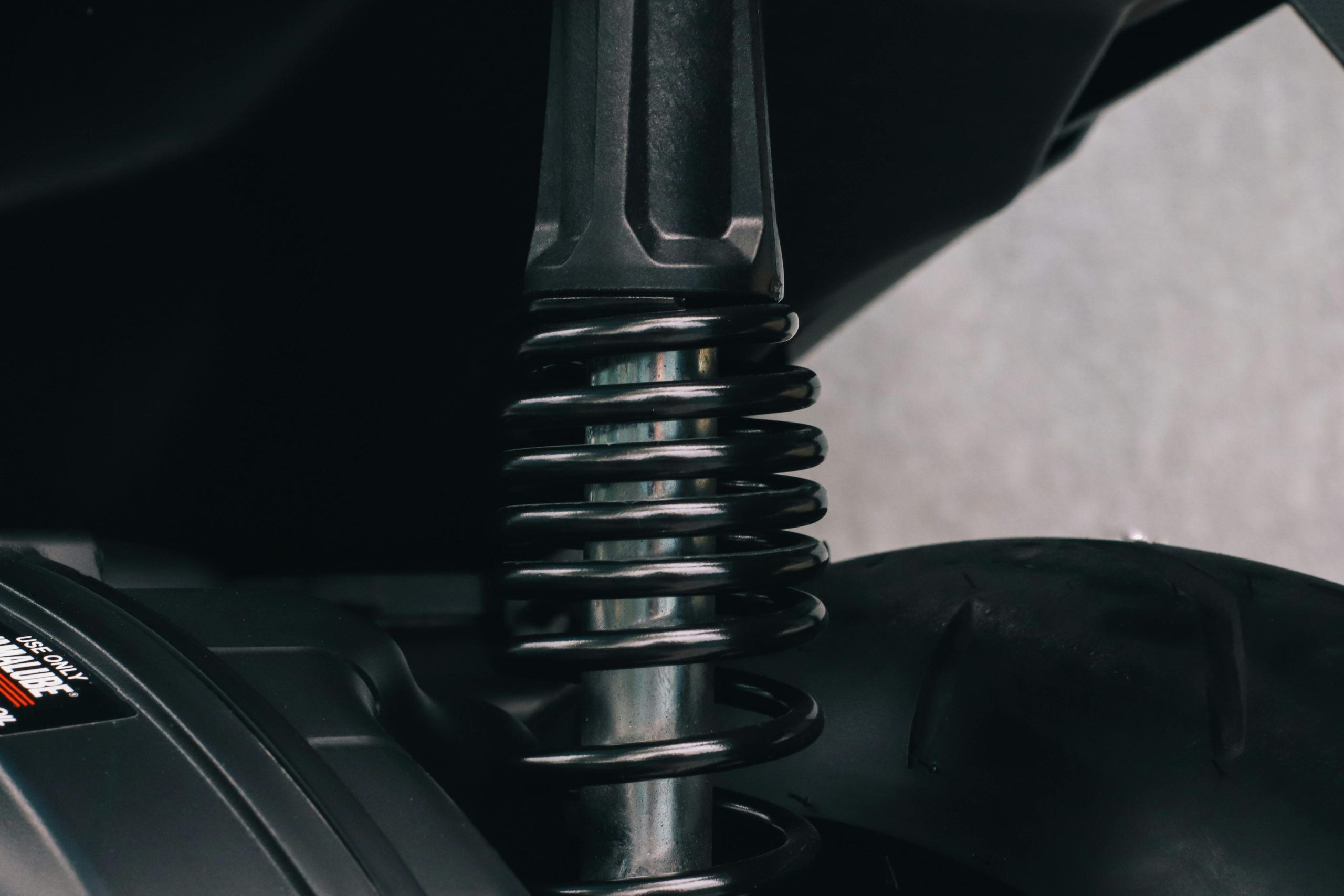
The Functioning of Shock Absorbers
Shock absorbers, also known as dampers, are a crucial part of a vehicle’s suspension system. Their primary function is to absorb and dampen the energy caused by the movement of the vehicle’s springs. This helps in preventing excessive bouncing and oscillations, which can make the ride uncomfortable and unsafe.
Shock absorbers work by converting the kinetic energy of the vehicle into heat, which is then dissipated into the atmosphere. This transformation of energy helps in controlling the vertical movements of the vehicle, ensuring that the wheels remain in contact with the road at all times.
Types of Shock Absorbers
There are two main types of shock absorbers – hydraulic and gas-pressure.
Hydraulic Shock Absorbers
Hydraulic shock absorbers, also known as twin-tube shock absorbers, use hydraulic fluid to absorb the energy generated by the movement of the springs. They consist of two tubes, an inner tube that contains the hydraulic fluid and an outer tube that houses the fluid and a piston. As the vehicle’s springs move, the hydraulic fluid flows through small valves and orifices, which creates resistance and absorbs the energy.
However, one disadvantage of hydraulic shock absorbers is that they can overheat during intense driving conditions, causing the fluid to foam and lose its effectiveness.
Gas-Pressure Shock Absorbers
Gas-pressure shock absorbers, also known as monotube shock absorbers, use a pressurized gas, usually nitrogen, to control the vehicle’s movements. Unlike hydraulic shock absorbers, gas-pressure shock absorbers have a single tube, which allows for more effective heat dissipation. This type of shock absorber provides better performance and can withstand high temperatures, making them ideal for high-performance vehicles.
The Role of Springs in Vehicle Ride Quality
Springs are another essential component of a vehicle’s suspension system. They are responsible for absorbing the initial shock from road irregularities and distributing it evenly throughout the vehicle’s body. As a result, springs can significantly affect a vehicle’s ride quality.
Types of Springs
There are three main types of springs used in a vehicle’s suspension system – coil springs, leaf springs, and torsion bars.
Coil Springs
Coil springs, as the name suggests, are made of coiled steel and are the most commonly used type of spring in modern vehicles. They compress and extend when the vehicle goes over bumps and dips, absorbing and dissipating the energy. One advantage of coil springs is that they provide a smooth and comfortable ride, making them suitable for luxury vehicles.
Leaf Springs
Leaf springs are made of several layers of metal strips, or “leaves,” that are secured together with clamps. They are commonly used in trucks and heavy-duty vehicles as they can withstand heavy loads and provide better stability. However, leaf springs can make the ride feel stiff and bumpy, resulting in a less comfortable ride.
Torsion Bars
Torsion bars work by twisting along their axis when the wheels move up and down, storing and releasing energy to absorb the shock. They are mostly used in sports cars and high-performance vehicles as they provide better handling and stability. However, torsion bars can make the ride feel stiff and are not ideal for vehicles carrying heavy loads.
Conclusion
In conclusion, shock absorbers and springs play a crucial role in ensuring a smooth and comfortable ride for a vehicle. Shock absorbers absorb and dissipate the energy generated by the movement of the springs, while springs distribute the shock evenly throughout the vehicle’s body. It is essential to ensure that the shock absorbers and springs are in good condition to maintain a vehicle’s ride quality. Regular maintenance and prompt replacement of these components can go a long way in providing a safe and comfortable driving experience.