
The World of Autonomous Agricultural Vehicles and Smart Farming
The agricultural industry has undergone a significant transformation in recent years with the introduction of autonomous agricultural vehicles and smart farming technologies. These advancements have not only increased efficiency and productivity but have also changed the way we think about farming. In this article, we will explore the world of autonomous agricultural vehicles and smart farming, and how they are revolutionizing the farming industry.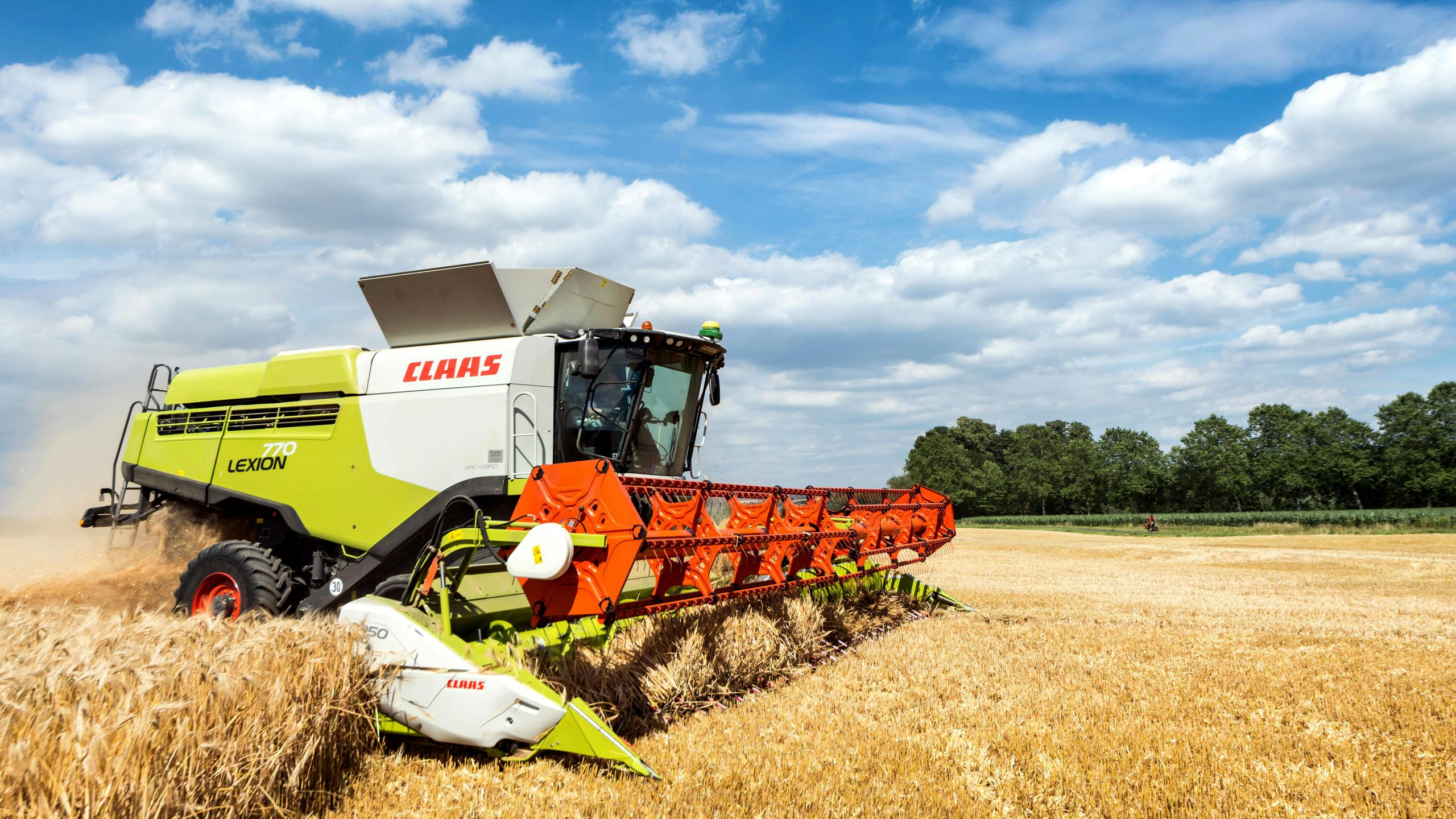
What are Autonomous Agricultural Vehicles?
Autonomous agricultural vehicles, also known as driverless or self-driving tractors, are machines that can perform various farming tasks without the need for human operators. These vehicles use a combination of sensors, GPS technology, and artificial intelligence (AI) to navigate and perform farming operations. They can be controlled remotely or operate on their own, making them a valuable asset for farmers.
The Benefits of Autonomous Agricultural Vehicles
The introduction of autonomous agricultural vehicles has brought numerous benefits to the farming industry. These vehicles can operate 24/7, allowing farmers to maximize their productivity and efficiency. They also eliminate the risk of human error, which can lead to costly mistakes. With the help of AI and data analysis, these vehicles can make real-time adjustments to optimize farming operations and increase yields.
Moreover, autonomous agricultural vehicles reduce the need for manual labor, which is becoming increasingly scarce and expensive in many parts of the world. This technology allows farmers to focus on other important tasks such as monitoring crop growth and making strategic decisions for their business.
The Rise of Smart Farming
In addition to autonomous agricultural vehicles, there has been a rise in smart farming technologies that work in tandem with these vehicles. Smart farming, also known as precision agriculture, involves the use of advanced technologies and data analytics to make farming more efficient and sustainable. These technologies include sensors, drones, GPS mapping, and intelligent software.
The Advancements in Smart Farming
One of the main advantages of smart farming is its ability to collect and analyze data in real-time. Sensors placed in the field can monitor soil health, moisture levels, temperature, and other key data points. This data is then analyzed to determine the best course of action for optimal crop growth. For instance, if a particular area of the field is experiencing low moisture levels, the autonomous agricultural vehicle can be directed to water that specific area, resulting in efficient water usage and potentially higher yields.
Drones are also playing a significant role in smart farming. These unmanned aerial vehicles (UAVs) can capture high-resolution images and data of the entire farm, providing farmers with a comprehensive view of their land. This data can help farmers identify areas that may require more attention, such as pest infestations or fertilization needs. In the past, farmers had to physically walk the entire farm to collect this data, which was a time-consuming and labor-intensive process.
The Future of the Agricultural Industry
The integration of autonomous agricultural vehicles and smart farming technologies is just the beginning of the transformation of the agricultural industry. With technology advancing at a rapid pace, we can expect to see even more advancements in the near future.
The Impact on Sustainability
One of the key benefits of autonomous agricultural vehicles and smart farming is their potential to make farming practices more sustainable. With precise data analysis, farmers can reduce the use of fertilizers and pesticides, resulting in better soil health and minimal harm to the environment. The increased efficiency and productivity can also contribute to the preservation of natural resources and reduce the carbon footprint of farming operations.
In conclusion, the world of autonomous agricultural vehicles and smart farming is rapidly evolving, bringing significant changes to the industry. These technologies offer a more efficient, cost-effective, and sustainable approach to farming, making them an essential tool for modern farmers. As we continue to embrace technology, we can expect to see a more advanced and sustainable future for the agricultural industry.