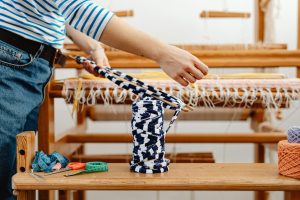
Exploring the Potential of Zero-Waste Pattern Cutting Techniques
In today’s world, where sustainability and environmental awareness are becoming increasingly important, the fashion industry is facing a pivotal challenge to reduce its negative impact on the planet. From excessive water usage and chemical pollution to massive amounts of textile waste, the traditional methods of garment production have been detrimental to the environment. However, promising advancements in technology and innovative design approaches are paving the way towards a more sustainable future for fashion. One such technique that is gaining momentum in the industry is zero-waste pattern cutting. In this article, we will explore the potential of zero-waste pattern cutting techniques and how they can revolutionize the way we produce and consume fashion.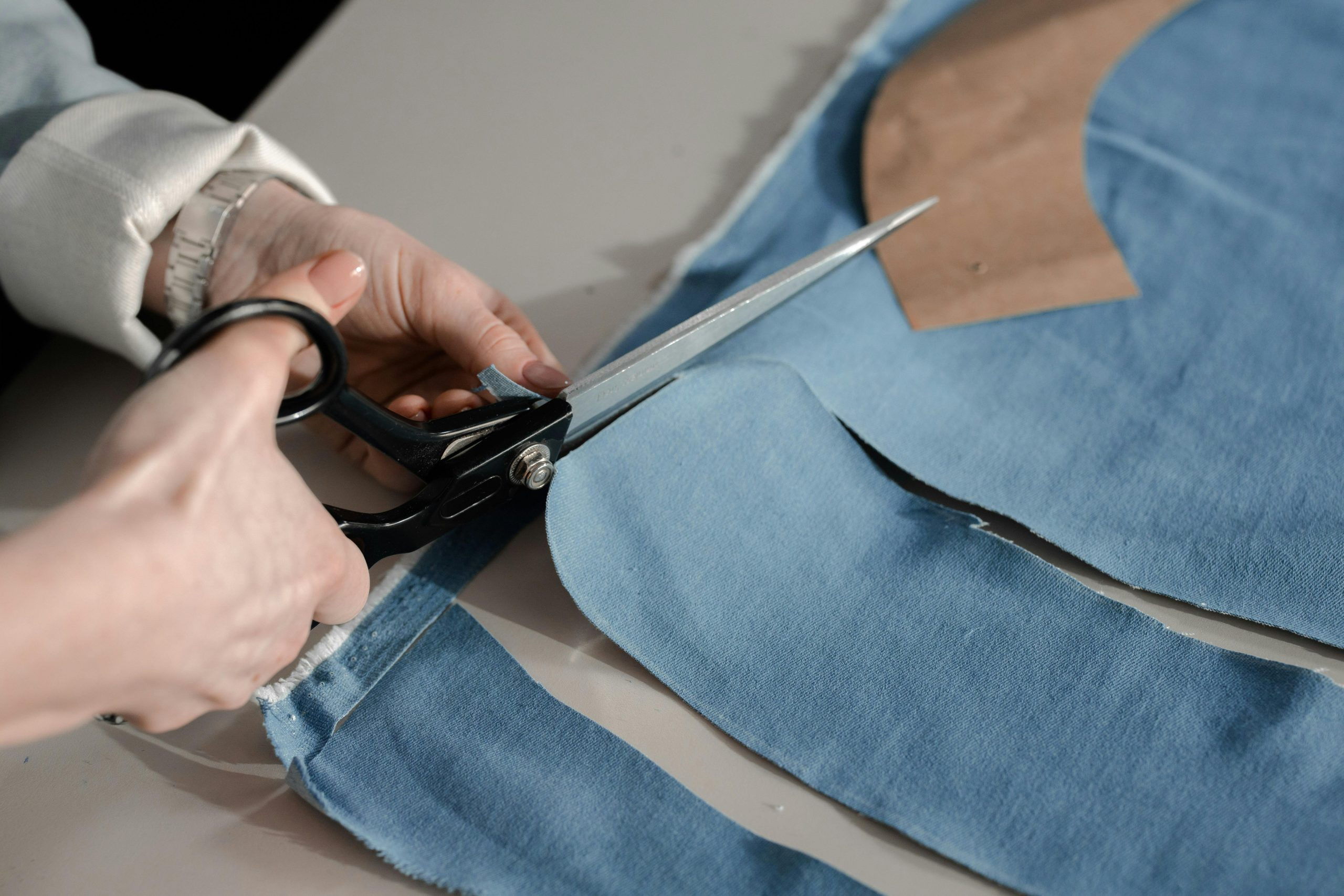
The Problem with Traditional Pattern Cutting
Before we dive into the world of zero-waste pattern cutting, it is essential to understand the issues associated with traditional pattern cutting methods. In traditional pattern cutting, patterns are designed on a flat piece of paper, which is then used to cut the fabric. However, this technique often results in significant amounts of textile waste, as the pattern pieces do not fit perfectly together, leaving behind unusable fabric scraps. This waste accounts for nearly 15% of the total fabric used in garment production, equivalent to 92 million tonnes per year globally.
Introduction to Zero-Waste Pattern Cutting
In contrast, zero-waste pattern cutting takes a more sustainable approach by eliminating fabric waste entirely. The technique involves the creation of a pattern that maximizes the use of fabric, leaving no scraps behind. The key to achieving this lies in the strategic placement of pattern pieces on the fabric, using techniques such as cutting on a bias and minimizing seam allowances. This approach not only reduces textile waste but also eliminates the need for complex and resource-intensive processes like dyeing and finishing, resulting in a significant reduction in water, energy, and chemicals usage.
The Benefits of Zero-Waste Pattern Cutting
The advantages of zero-waste pattern cutting go beyond just environmental sustainability. It also offers a host of benefits for the fashion industry and its consumers. First and foremost, it is a cost-effective process, as it utilizes fabric more efficiently, reducing the need to buy excess material. This, in turn, leads to lower production costs, which can ultimately be passed on to the consumers. Additionally, zero-waste patterns can result in unique and creative designs, as they are not restricted by pre-made pattern pieces. This allows for more experimentation and innovation in fashion, appealing to the ever-changing tastes of consumers.
The Challenges of Implementing Zero-Waste Pattern Cutting
While zero-waste pattern cutting seems like a win-win for both the environment and the fashion industry, it does come with its own set of challenges. As with any new technique, there is a steep learning curve, and it might take some time for designers and manufacturers to fully grasp and apply the concept correctly. Additionally, as the technique involves precise placement of pattern pieces, it might result in more complex and time-consuming pattern-making processes, which could potentially impact production timelines.
The Future of Zero-Waste Pattern Cutting
Despite these challenges, the potential of zero-waste pattern cutting is vast, and many designers and brands are already incorporating this technique into their collections. Swedish brand Filippa K launched their Placed Linear Design line, featuring zero-waste garments, avoiding unnecessary material waste by strategically placing patterns. Luxury brand Stella McCartney is also a strong advocate of sustainable fashion and has been using zero-waste pattern cutting in its collections for several years. With the fashion industry gradually embracing sustainability, the future of zero-waste pattern cutting looks bright and promising.
Conclusion
The fashion industry is at a critical crossroads, and it is up to us to make conscious decisions that positively impact the planet. Zero-waste pattern cutting offers a sustainable and creative solution to the problems associated with traditional pattern cutting methods and has the potential to revolutionize the fashion industry. As consumers, we can also play our part by supporting brands that prioritize sustainability and making informed choices in our purchasing habits. Together, we can create a more sustainable and eco-friendly future for fashion.