
The Impact of Office Design on Employee Collaboration and Focus
Office design is an aspect of the workplace that often goes unnoticed, yet it has a significant impact on employee collaboration and focus. Gone are the days of traditional cubicle setups and bland colors, as companies now recognize the importance of creating a functional and visually stimulating office environment. This shift in focus towards office design is not just a trend, but a strategic move to improve employee productivity and overall well-being. In this article, we will delve into the impact of office design on employee collaboration and focus, and why it should be a top priority for businesses in today’s competitive market.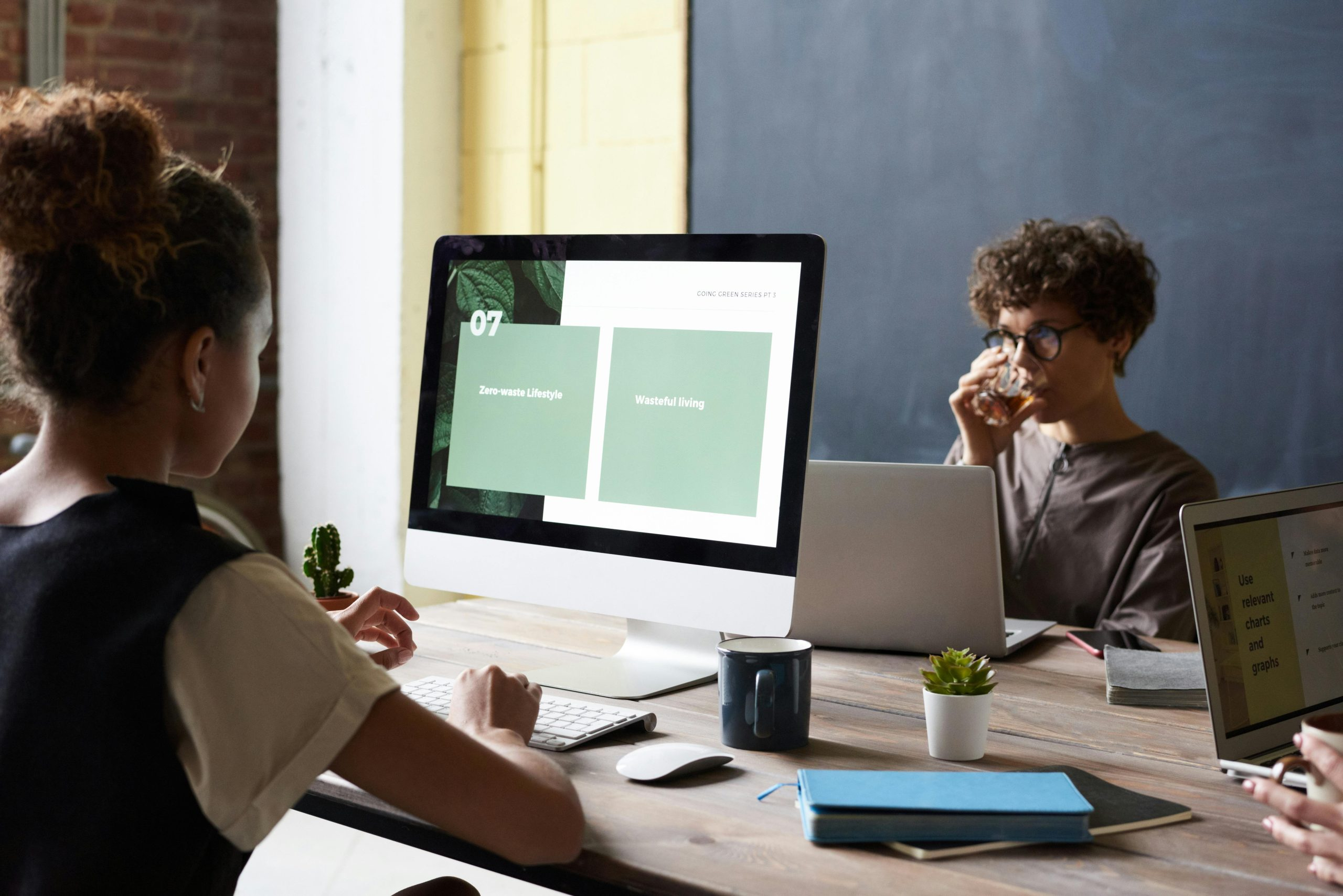
The Importance of Office Design
Before we dive into the specifics, let’s first understand why office design is so crucial. The average person spends 90,000 hours at work over their lifetime, and a considerable portion of that time is spent in the office. With this in mind, it’s essential to create an environment that fosters productivity, creativity, and collaboration. A well-designed office can also enhance employee satisfaction, which, in turn, leads to increased retention rates and reduced turnover costs.
Open Concept vs. Traditional Layouts
The debate between open concept and traditional office layouts has been ongoing, and there are valid arguments for both. Traditional layouts, with individual cubicles or closed offices, provide privacy and reduce distractions. However, they can also create a sense of isolation and hinder communication and collaboration among employees. On the other hand, open concept offices promote interaction and idea sharing, which can lead to increased collaboration and innovation. But, they can also be noisy and chaotic, making it difficult for employees to focus.
Therefore, the ideal office design should strike a balance between both layouts. A combination of open and enclosed spaces allows for collaborative work and privacy when needed. It also provides employees with the flexibility to choose a workspace that best suits their task at hand, whether it be a quiet room for focus or a communal area for brainstorming.
The Role of Natural Light
Exposure to natural light has been proven to have a positive impact on employee well-being and productivity. It helps regulate the body’s natural clock, known as the circadian rhythm, which can affect sleep, mood, and energy levels. Therefore, incorporating natural light into office design is crucial for employees’ health and performance.
When designing an office space, it’s essential to consider the placement of windows, glass walls, and skylights to maximize natural light. It not only reduces the need for artificial lighting but also creates an open and airy atmosphere. Employees are more likely to feel motivated and focused in a well-lit environment rather than a dim and dull one. Additionally, natural light has been shown to reduce eye strain, headaches, and other health issues associated with extended screen time.
The Impact on Collaboration
Collaboration is a vital aspect of any workplace, and office design can either facilitate or hinder it. The layout and design of an office can encourage employees to communicate and work together, leading to increased efficiency and innovation. On the other hand, a poorly designed office can create barriers to collaboration and hinder the flow of ideas.
Communication Hubs
One way to promote collaboration is to create designated communication hubs within the office. These areas can be in the form of open lounges, breakout rooms, or even coffee stations. The idea is to provide employees with informal spaces where they can interact, exchange ideas, and build relationships. These hubs can also serve as impromptu meeting spaces, reducing the need for formal conference rooms for minor discussions.
Collaborative Tools and Technology
Advancements in technology have made it easier for employees to collaborate and work together, regardless of their physical location. However, office design can also play a role in promoting the use of these tools. For example, having designated areas with large monitors or touch screens can facilitate remote meetings and brainstorming sessions. Having charging stations and outlets readily available also encourages employees to use their devices to share ideas and collaborate on projects.
The Impact on Focus
While collaboration is essential, so is focus. Productivity and efficiency can significantly suffer if employees are unable to concentrate on their work. Office design can play a crucial role in creating an optimal environment for focus.
Noise Control
Noise pollution in the workplace is a prevalent issue that can significantly affect employee focus. Poor office design, such as low cubicle walls or open layouts, can make it challenging to concentrate amidst noise from co-workers, phone calls, or office equipment. The use of sound-absorbing materials, such as carpets, drapes, and acoustic panels, can help reduce excessive noise levels and create a more peaceful and conducive environment for focus.
Comfort and Ergonomics
The physical comfort of employees is also crucial when it comes to focus. A well-designed office will consider ergonomic factors such as adjustable chairs, standing desks, and proper lighting to reduce strain on the body and promote productivity. Feeling comfortable physically can also lead to fewer distractions and better focus.
In Conclusion
The impact of office design on employee collaboration and focus cannot be understated. It can affect everything from employee satisfaction and retention rates to productivity and innovation. Businesses looking to stay ahead in today’s competitive market must prioritize creating a well-designed and functional office space for their employees. By incorporating elements such as a balance between open and private spaces, natural light, communication hubs, and noise control, companies can foster a productive and collaborative environment for their employees to thrive in.