
Student Voice: Giving Learners Control Over Their Education
The traditional education system has a long history of being driven by standardized curriculum and teacher-directed instruction. While this approach has its merits, it often neglects the most important voices in education – the students. As educators and educational institutions strive to improve the learning experience, a new concept has emerged – Student Voice. This concept aims to empower students by giving them control over their own education. By involving students in decision-making processes, Student Voice not only enhances student engagement but also leads to better learning outcomes. Let’s dive deeper into the concept of Student Voice and its impact on education.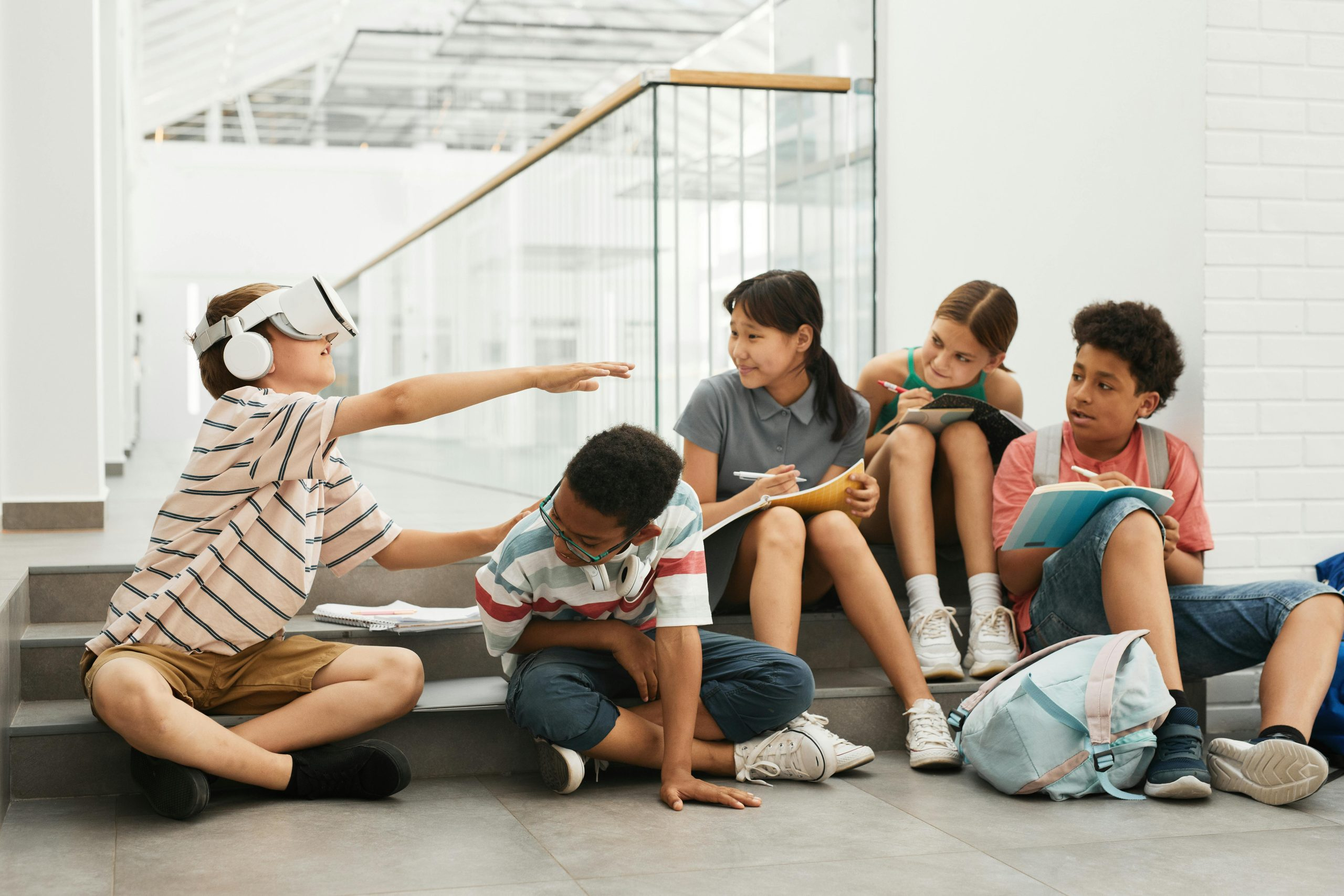
The Importance of Student Voice
Student Voice is not just a buzzword, but a powerful tool to transform education. By giving students a say in their own learning, it not only encourages them to take ownership of their education but also helps them develop essential skills such as critical thinking, problem-solving, communication, and collaboration. Students become active participants in the learning process rather than passive recipients of knowledge, which leads to a deeper understanding and retention of the subject matter.
A Shift Towards Student-Centered Learning
Student Voice is an integral part of the movement towards student-centered learning. This approach recognizes that students have unique learning styles, strengths, and interests that should be taken into consideration when designing instruction. With Student Voice, students are not just seen as “empty vessels” waiting to be filled with knowledge, but as individuals with valuable insights and perspectives to contribute to their own learning.
In a student-centered classroom, the teacher acts as a facilitator, guiding students in their learning journey rather than being the sole source of information. This allows students to have more control over their learning experiences and promotes a sense of agency and autonomy.
The Role of Technology
In a technologically advanced world, Student Voice can be amplified with the help of technology. Digital tools allow students to engage in self-directed learning, access resources beyond the classroom, and collaborate with peers from different parts of the world. Online discussion forums, virtual classrooms, and educational apps are just a few examples of how technology can be used to elevate Student Voice and enhance the learning experience. By incorporating technology in the classroom, students can develop digital literacy skills and become better prepared for the digital age.
Implementing Student Voice in Education
There are various ways to incorporate Student Voice in education. Some methods include surveys, focus groups, class meetings, and student-led conferences. One popular approach is the use of student councils or committees where students can take part in decision-making processes and represent the views and interests of their peers.
Another effective way to implement Student Voice is through project-based learning. By allowing students to choose their own topics, set their own goals, and design their own projects, they are given the opportunity to take ownership of their learning and express their unique perspectives and ideas.
Challenges and Solutions
Implementing Student Voice in education is not without its challenges. One of the main challenges is changing the mindset of both educators and students. Educators may struggle with relinquishing control and trusting students to make their own decisions. On the other hand, students may not be used to having a say in their education and may resist the change.
The solution to these challenges lies in creating a supportive and inclusive learning environment. Educators should be open to listening to students and involving them in the decision-making process. They should also provide guidance and support to help students develop the necessary skills for self-directed learning. Students, on the other hand, should be encouraged to speak up, share their opinions, and take responsibility for their education.
In Conclusion
Student Voice is a powerful concept that has the potential to transform education for the better. By giving students a voice in their education, we not only foster a more engaging and inclusive learning environment but also equip students with essential skills for the 21st century. As educators, it is our responsibility to create opportunities for Student Voice and empower our students to take control of their own learning.