
Making Work Accessible for Professionals with Various Disabilities
In today’s modern society, the push for inclusivity and diversity in the workplace is greater than ever. As we strive to create a more equal and accommodating environment, one group that often gets overlooked are professionals with disabilities. Despite their talents, skills, and potential, people with disabilities still face barriers when it comes to finding and keeping jobs. As a result, it is crucial for companies to make work accessible for professionals with various disabilities, not only for the benefit of the individual but for the success and growth of the organization as a whole.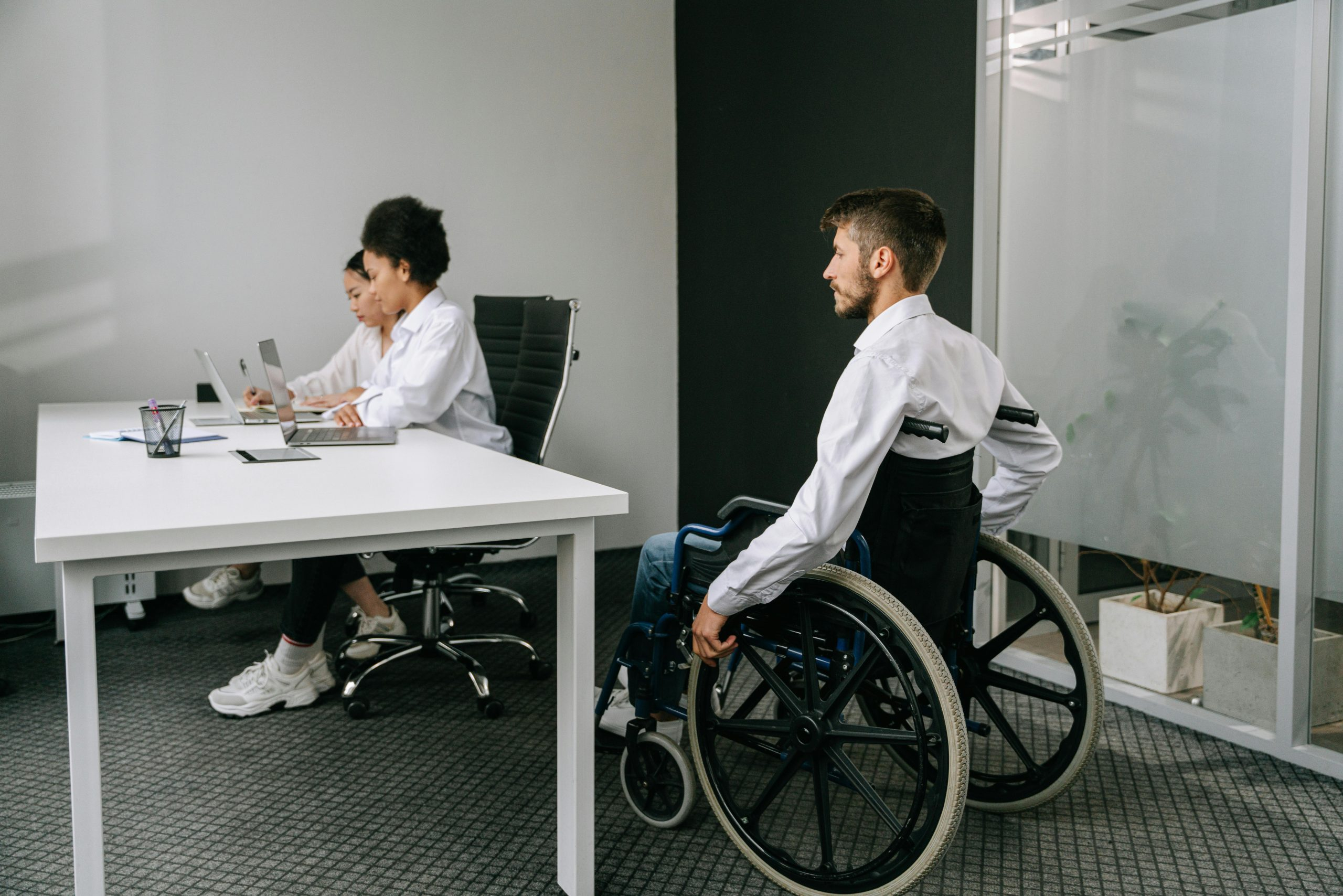
The Importance of Accessibility for Professionals with Disabilities
According to the World Health Organization, over a billion people, or 15% of the world’s population, live with some form of disability. These disabilities can range from physical, mental, sensory, or cognitive impairments. Yet, people with disabilities often face discrimination and exclusion in the workplace, leading to high unemployment rates.
However, creating a truly inclusive workplace starts with understanding the value and importance of accessibility for professionals with disabilities. When given the proper accommodations and support, individuals with disabilities can be valuable assets to any company. They bring unique perspectives, skills, and strengths to the table, contributing to a more innovative and diverse workforce.
Challenges for Professionals with Disabilities in the Workplace
Physical Barriers
One of the most common challenges professionals with disabilities face in the workplace is physical barriers. These can include inaccessible buildings, workstations, and facilities, making it difficult or impossible for individuals with mobility impairments to navigate and perform their job effectively. Companies must take the necessary steps to ensure their workplace is physically accessible for employees with disabilities, such as providing ramps, accessible restrooms, and designated parking spots.
Negative Attitudes and Stereotypes
Another major barrier for professionals with disabilities is negative attitudes and stereotypes. Many people hold misconceptions about what individuals with disabilities are capable of, leading to discriminatory practices and a lack of job opportunities. It is essential for companies to educate their employees and foster a culture of acceptance and inclusivity to break down these barriers.
Lack of Accommodations
Workplace accommodations are necessary for individuals with disabilities to perform their job duties on an equal basis with their colleagues. Yet, many companies fail to provide the necessary accommodations, whether it be assistive technology, flexible work schedules, or modified job duties. Companies must be aware of an employee’s individual needs and make the necessary accommodations to create a level playing field for all employees.
Ways to Make Work Accessible for Professionals with Disabilities
Hire a Diverse Workforce
The first step to creating an inclusive and accessible workplace is to hire a diverse workforce that includes professionals with disabilities. By actively seeking out and welcoming individuals with different abilities, companies can expand their talent pool and create a more representative workforce.
Provide Proper Training and Education
Educating employees about disability awareness and inclusion is crucial for creating a truly accessible workplace. Companies can provide training and resources to help employees understand the challenges faced by professionals with disabilities and how they can be supportive and accommodating.
Create a Supportive and Inclusive Culture
It is essential for companies to foster a culture of acceptance and inclusivity to make all employees, including those with disabilities, feel valued and supported. This can be achieved through open communication, creating accessible and inclusive policies, and providing equal opportunities for career growth and advancement.
Offer Workplace Accommodations
Companies should provide necessary accommodations for employees with disabilities, whether it be physical modifications to the workplace, assistive technology, or flexible work arrangements. These accommodations not only benefit the employee but also contribute to their overall job satisfaction and productivity.
Conclusion
In today’s diverse world, it is crucial for companies to make their workplace accessible for professionals with disabilities. By creating a truly inclusive environment, companies can tap into a diverse pool of talent, boost their innovation and creativity, and foster a positive image for their brand. It is not only the right thing to do, but it also makes good business sense in the long run.
It is time for companies to break down the barriers and make work accessible for professionals with disabilities. Every employee, regardless of their abilities, should have the same opportunities to thrive and succeed in the workplace. Let’s take the necessary steps to create a more inclusive and accessible future for all.