
Innovations in Human-Computer Interface Design and Gadgets
Imagine controlling your computer or mobile device with just your thoughts, seamlessly interacting with technology without the need for touch or voice commands. This may sound like something straight out of a science fiction movie, but the reality is that innovations in human-computer interface design and gadgets are making this a possibility. From virtual and augmented reality to brain-computer interfaces, these advancements are revolutionizing the way we interact with machines, blurring the line between man and machine. Let’s take a closer look at some of the most exciting innovations in human-computer interface design and gadgets.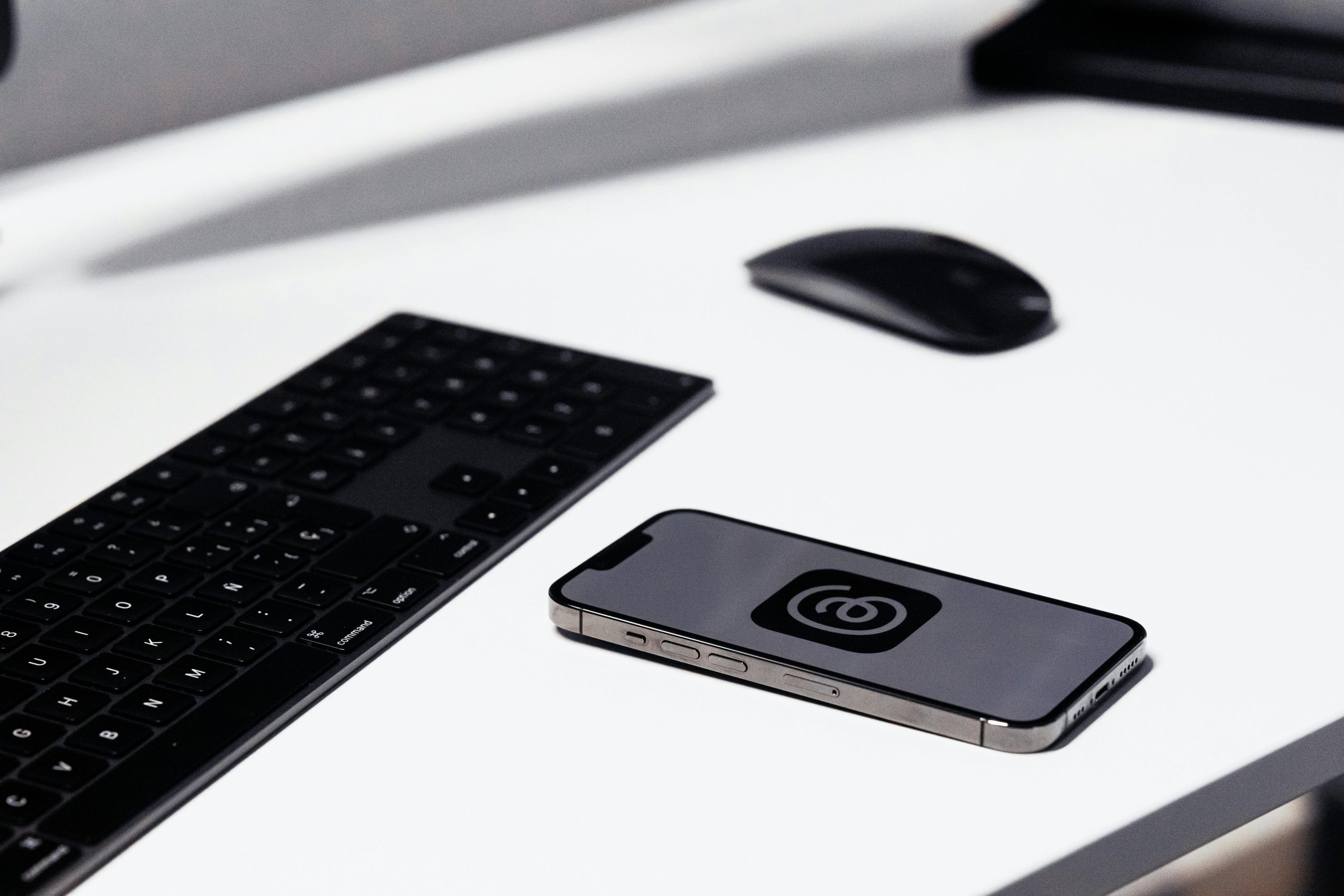
The Rise of Virtual and Augmented Reality
Virtual reality (VR) and augmented reality (AR) have been making waves in recent years, with these technologies offering immersive and engaging experiences like never before. While VR completely immerses the user in a digital world, AR overlays digital information onto the real world. Both technologies have been widely used in the gaming and entertainment industry, but they are now being utilized in various other fields such as education, healthcare, and manufacturing.
The Power of Hand Gestures
One of the most significant innovations in human-computer interface design is the use of hand gestures to interact with devices. Think Minority Report, where Tom Cruise could control his computer using only hand gestures. While this may have seemed far-fetched a few years ago, it is now a reality thanks to devices such as the Leap Motion Controller and Microsoft’s Kinect. These gadgets use infrared cameras and sensors to track hand movements and translate them into actions on the screen, eliminating the need for traditional input devices such as keyboards and mice.
Voice-Activated Assistants
The rise of virtual assistants like Siri, Alexa, and Google Assistant has completely changed the way we interact with technology. These AI-powered voice assistants allow users to perform various tasks by simply speaking to their devices. From setting reminders and sending messages to playing music and controlling home appliances, these gadgets have made our lives easier and more efficient. With advancements in natural language processing and machine learning, voice-activated assistants are becoming smarter, making them an essential part of any human-computer interface.
Mind Control Interfaces
As technology evolves, new and more innovative ways of interacting with devices are being developed. One such innovation is brain-computer interfaces (BCI). These devices allow users to control machines using their brain signals, making it possible to interact with technology without the need for physical touch. BCI technology has the potential to transform the lives of people with disabilities, allowing them to communicate and interact with the world in ways that were previously unimaginable. It also has exciting implications in fields such as gaming, where players can control characters with their thoughts.
Wearable Gadgets
The market for wearable gadgets has exploded in recent years, with devices such as smartwatches, fitness trackers, and AR glasses becoming increasingly popular. These gadgets not only provide users with quick and convenient access to information, but they also serve as an extension of the human-computer interface. From receiving notifications and tracking fitness goals to providing navigation and hands-free calling, wearable gadgets have transformed the way we interact with technology in our daily lives.
The Future of Human-Computer Interface
The possibilities for innovations in human-computer interface design and gadgets are endless. With the rise of advanced technologies such as artificial intelligence, machine learning, and the Internet of Things, we can expect to see even more exciting developments in the years to come. From fully immersive VR experiences to mind-controlled devices, the future of human-computer interface design is truly thrilling.
In conclusion, innovations in human-computer interface design and gadgets have come a long way and continue to push the boundaries of what is possible. These advancements have made technology more accessible, intuitive, and seamless, changing the way we interact with machines and making our lives easier. As technology continues to advance, we can only imagine what the future holds for human-computer interface design and gadgets.