Project-Based Learning: Engaging Students in Real-World Tasks
In recent years, educators have been shifting their focus towards creating more engaging and meaningful learning experiences for their students. One approach that has gained significant attention is project-based learning (PBL). This student-centered pedagogy helps students develop critical thinking, problem-solving, collaboration, and communication skills by engaging them in real-world tasks. In this article, we will explore the concept of project-based learning and how it can be used to effectively engage students in real-world tasks. Let’s dive in!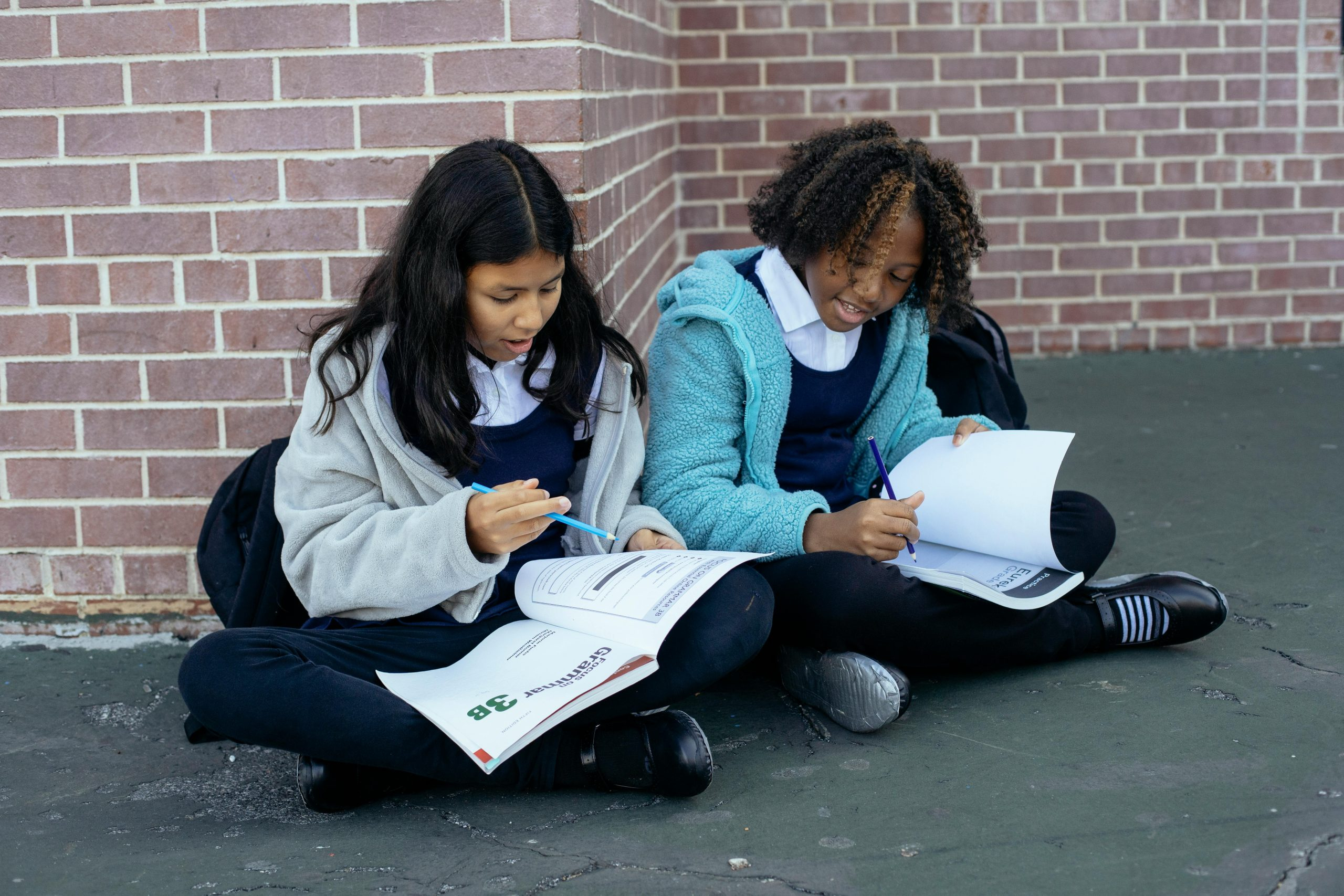
The Basics of Project-Based Learning
Project-based learning is a dynamic instructional approach where students actively explore real-world problems and challenges, and develop solutions or products. Unlike traditional classroom learning, where students are passive recipients of information, PBL puts the students in the driver’s seat, making them active participants in their own learning.
So, what sets PBL apart from other teaching methods? First, PBL is built around the concept of authenticity. This means that the projects given to students should be relevant to their lives and interests. By connecting the classroom learning to real-world problems or scenarios, students are able to see the purpose and value of what they are learning. This also increases their motivation and engagement as they see the direct impact of their work.
In PBL, students are also given a level of autonomy in how they approach and complete the project. This autonomy is crucial as it allows students to develop essential skills such as self-direction, time management, and decision making. Furthermore, PBL promotes collaboration and communication as students are often required to work in teams to complete the project.
Engaging Students in Real-World Tasks through PBL
Fostering Critical Thinking Skills
One of the main benefits of PBL is that it encourages students to think critically and analytically. By presenting them with real-world problems, students are required to think deeply and come up with effective solutions. This process requires them to consider different perspectives, evaluate information, and make informed decisions. As a result, students become confident in their problem-solving abilities and develop the critical thinking skills necessary for success in the 21st century.
Enhancing Communication Skills
Effective communication is crucial in any professional setting. PBL provides ample opportunities for students to practice and improve their communication skills. As they work in groups, students have to discuss and explain their ideas, listen to their teammates’ perspectives, and provide constructive feedback. Moreover, in the final presentation of their project, students must effectively communicate their findings to an audience, further honing their communication skills.
Promoting Collaboration and Teamwork
In today’s interconnected world, the ability to collaborate and work in teams is highly valued. PBL offers students the chance to develop these skills by working together towards a common goal. Through the project, students learn how to listen to and respect their teammates’ ideas, delegate tasks, and work as a cohesive unit. These skills are essential not only for academic success but also for future professional endeavors.
Connecting Learning to the Real World
Traditional classroom learning can sometimes seem disconnected from the real world. PBL bridges this gap by providing authentic, real-world experiences for students. By working on projects that are relevant to their lives, students are able to understand how their learning can be applied in practical situations. This not only increases their motivation but also helps them see the value and purpose of their education.
Tips for Implementing PBL in the Classroom
Choose Relevant and Engaging Topics
To ensure the success of PBL, it is crucial to choose topics that are both relevant to students’ lives and engaging. Consider involving students in the selection of the project topic, as this will increase their interest and investment in the project.
Provide Necessary Support and Guidance
While students may have a level of autonomy in PBL, it is important to provide them with the necessary support and guidance. Teachers should be accessible for questions and provide feedback throughout the project to ensure students stay on track and meet the learning objectives.
Encourage Reflection and Self-Evaluation
Reflection is an essential aspect of PBL as it allows students to think critically about their project and learning process. Encourage students to reflect on their work and self-evaluate, providing them with the opportunity to identify areas for improvement and set goals for future projects.
Conclusion
Project-based learning is gaining popularity as an effective teaching method that engages students in real-world tasks. By fostering critical thinking skills, promoting collaboration and communication, and connecting learning to the real world, PBL prepares students for success in the 21st century. By following the tips mentioned above, educators can effectively implement PBL in the classroom and provide their students with meaningful and engaging learning experiences.