
Developing an Inclusive Range of Sizes and Fits in Clothing Lines
In today’s world, body positivity and inclusivity have become increasingly important topics, especially in the fashion industry. It’s no secret that clothing lines have often been criticized for not offering a diverse range of sizes and fits, leaving many consumers feeling excluded and marginalized. However, with the rise of social media and the push for diversity and representation, many companies are beginning to acknowledge the need for change. In this article, we will explore the importance and benefits of developing an inclusive range of sizes and fits in clothing lines, and how companies can implement this in their business strategies.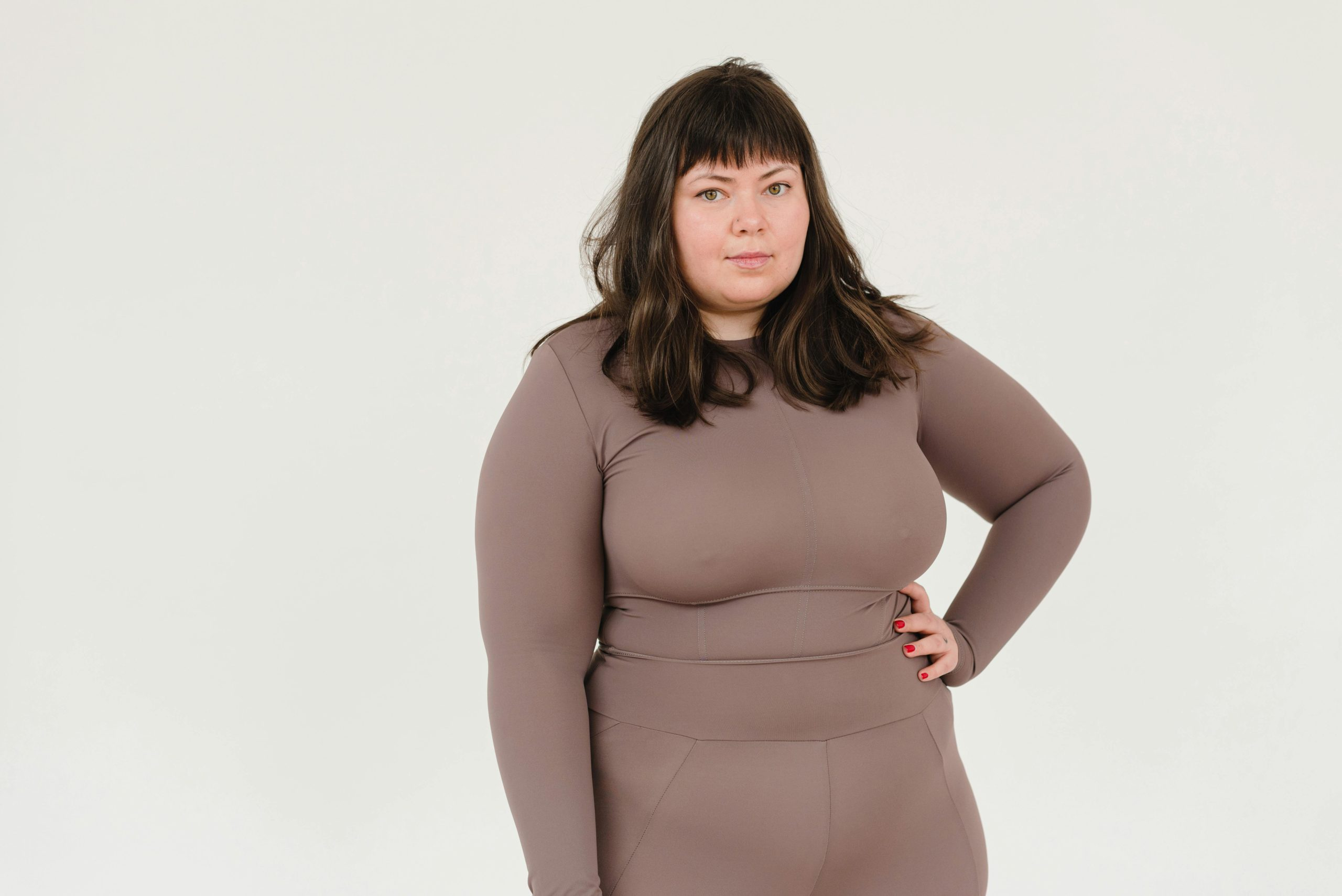
The Demand for Inclusivity
The call for inclusivity in the fashion industry has been growing louder in recent years. The term “body positivity” has become a buzzword, as people of all shapes and sizes are demanding to see more diverse representation in the media and in clothing options. According to a survey by The NPD Group, 46% of US women are considered plus-size, yet they only represent 18% of the women’s clothing market. This significant gap shows that there is a huge demand for more size-inclusive options.
Moreover, with the rise of social media and the body positivity movement, consumers are more vocal about their desire for inclusivity. Fashion brands that refuse to cater to a wide range of sizes and body types risk alienating a significant portion of their potential customer base. This not only affects sales but also damages their brand image and reputation.
The Importance of Representation
Beyond the numbers, inclusivity in clothing lines is crucial for promoting positive body image. For so long, the industry has perpetuated a narrow definition of beauty and has promoted unrealistic beauty standards. By showcasing a diverse range of sizes, brands can help reduce the pressure to conform to society’s unrealistic standards and promote self-acceptance.
The impact of representation also extends beyond the consumers. It’s essential for models to see themselves represented in the media and in the fashion industry. Plus-size and curvy models are often underrepresented and undervalued, despite being a significant portion of the population. By featuring diverse models, companies can promote inclusivity and diversity in the industry and empower individuals to embrace their bodies.
The Benefits for Businesses
Aside from promoting inclusivity and positive body image, there are many practical benefits for businesses that offer a diverse range of sizes and fits in their clothing lines.
Increase in Sales
First and foremost, catering to a wider range of sizes and body types can lead to an increase in sales. As mentioned earlier, almost half of US women are considered plus-size, and many of them struggle to find clothing options that fit them well. By offering a wide range of sizes, companies can tap into this market and attract more customers. This is not only limited to plus-size individuals, but also those who may not fit into the traditional “straight size” range.
Brand Loyalty and Positive Reputation
By promoting inclusivity and diversity, companies can also build a loyal customer base and strengthen their brand image. Consumers are more likely to support and remain loyal to companies that align with their values and promote inclusivity. Moreover, through representation and promoting positive body image, companies can also build a positive reputation and differentiate themselves from their competitors.
Innovation and Creativity
Developing an inclusive range of sizes and fits also opens up opportunities for innovation and creativity within the fashion industry. By catering to a wider market, companies are forced to think outside of the traditional sizing norms and come up with new designs and ways to accommodate different body types. This can lead to a more diverse and exciting range of clothing options for consumers, which can ultimately drive sales and build brand personality.
Implementing Inclusivity in Clothing Lines
So, how can companies work towards developing an inclusive range of sizes and fits in their clothing lines? Here are a few suggestions:
Market Research
The first step is to conduct thorough market research to understand the needs and preferences of the target market. This can include gathering feedback from current customers, as well as reaching out to potential customers to understand their expectations and challenges when it comes to finding clothing that fits.
Diverse Sizing and Fit Options
Based on the market research, companies can then work to expand their sizing options and offer a diverse range of fits and silhouettes. This can include extending size ranges, offering petite and tall options, and providing different fits such as curvy, athletic, and straight.
Inclusive Representation
It’s also crucial for companies to showcase a diverse range of models in their marketing campaigns and on their websites. This not only promotes inclusivity but also helps consumers visualize how the clothing will look and fit on different body types. Additionally, it’s important to ensure that all employees, from designers to customer service representatives, are trained to be inclusive and sensitive to diverse body types.
In conclusion, it’s time for the fashion industry to embrace inclusivity and cater to a wider range of sizes and body types. Not only is it the right thing to do, but it also has many benefits for businesses. By promoting positive body image, building brand loyalty, and driving sales, companies can make a positive impact and set themselves apart in a crowded market. Let’s work towards a more inclusive future in the fashion industry.